
Animal Facts
African Lion Facts: Habitat, Diet, Hunting Behavior & Conservation Guide (2026)
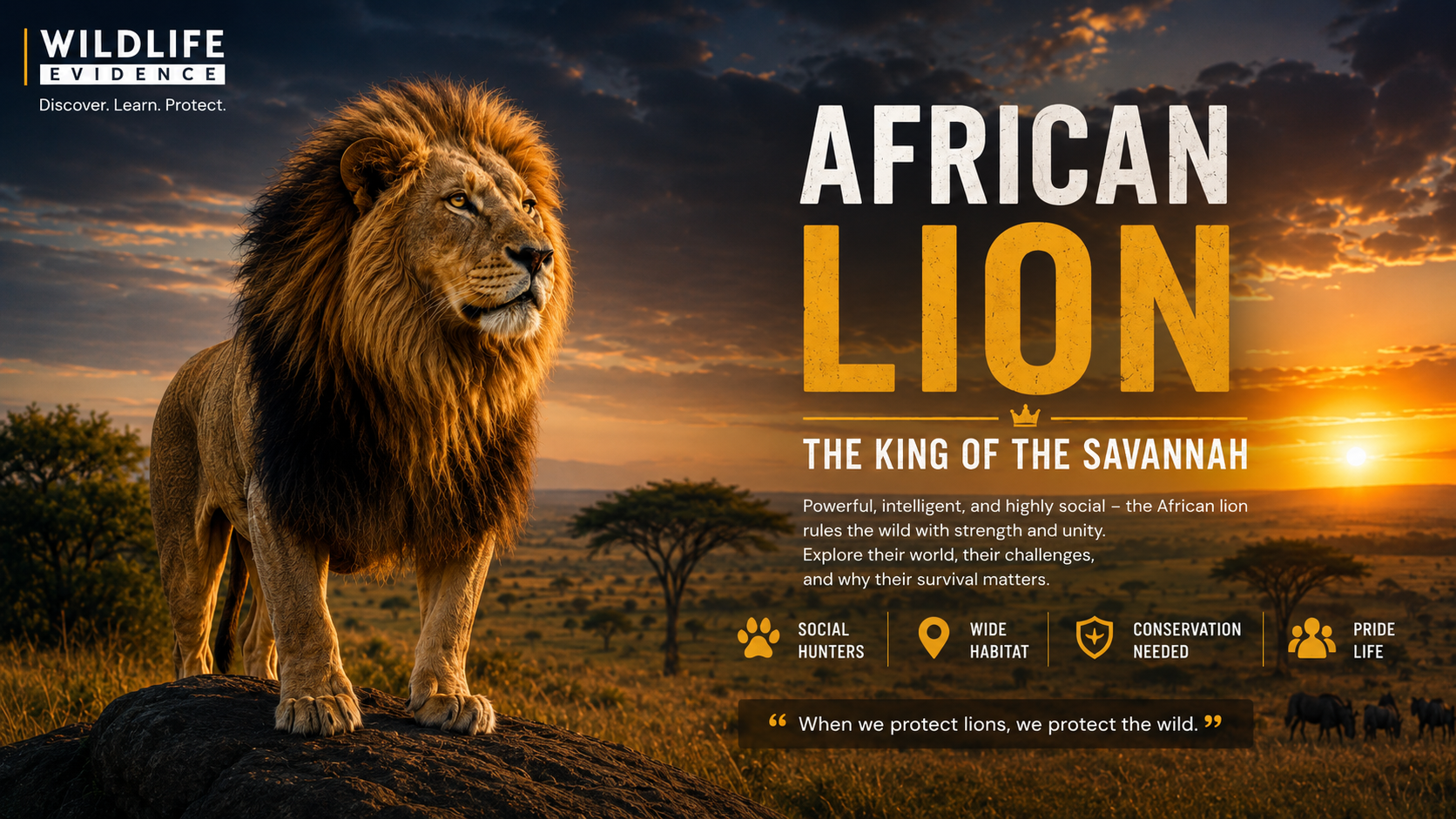
African Lion Facts: Habitat, Diet, Hunting Behavior & Conservation Guide
Introduction
The African lion (Panthera leo) is one of the most recognizable and admired animals on Earth. Often referred to as the “King of the Savannah,” this magnificent big cat symbolizes strength, courage, and leadership. Lions have appeared in legends, literature, flags, and cultural traditions for thousands of years.
Unlike most other big cats, lions are social animals that live in family groups called prides. Their cooperative lifestyle, powerful hunting abilities, and impressive appearance make them unique among predators.
African lions play an important role in maintaining healthy ecosystems by controlling populations of large herbivores. However, despite their status as apex predators, lion populations have declined significantly due to habitat loss, poaching, and human-wildlife conflict.
In this detailed guide, we explore everything you need to know about African lions, including their habitat, diet, behavior, life cycle, threats, and conservation efforts.
Scientific Classification
Scientific Name: Panthera leo
Common Name: African Lion
Kingdom: Animalia
Phylum: Chordata
Class: Mammalia
Order: Carnivora
Family: Felidae
Genus: Panthera
Species: P. leo
Lions belong to the same family as tigers, leopards, jaguars, and snow leopards.
Physical Characteristics
African lions are among the largest carnivores in Africa.
Male Lions
Weight: 150–250 kg
Length: Up to 3.3 meters including tail
Distinctive mane around the neck
Female Lions
Weight: 110–180 kg
More agile and faster than males
No mane
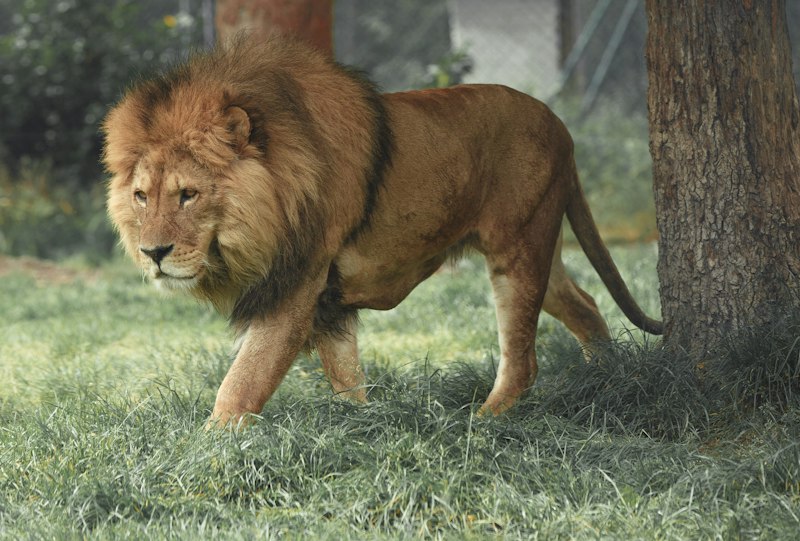
One of the lion's most iconic features is the mane. Darker manes are often associated with older, stronger males.
Lions have powerful jaws, sharp claws, muscular bodies, and excellent night vision, making them highly effective hunters.
Habitat and Distribution
African lions mainly inhabit:
Grasslands
Savannahs
Open woodlands
Semi-arid regions
They are commonly found in:
Tanzania
Kenya
Botswana
South Africa
Namibia
Zambia
Zimbabwe
Protected areas such as national parks and wildlife reserves provide important habitats for lion populations.
Lions avoid dense rainforests because visibility is limited and hunting becomes more difficult.
Diet and Feeding Habits
African lions are obligate carnivores, meaning they rely entirely on meat for survival.
Common Prey
Zebra
Wildebeest
Buffalo
Gazelle
Antelope
Warthog
Young giraffes
Lions may occasionally scavenge carcasses or steal kills from other predators.
An adult lion can eat up to 30 kilograms of meat in a single meal and may rest for many hours afterward.
Hunting Behavior
Lions are masters of teamwork hunting.
Female lions perform most hunting activities within the pride. They use cooperation, patience, and stealth to capture prey.
Hunting Strategy
Locate prey.
Stalk quietly through tall grass.
Surround the target.
Launch a coordinated attack.
Bring down the animal using strength and teamwork.
Most hunts occur:
At night
Early morning
Late evening
Lions can reach speeds of up to 80 km/h for short distances but rely more on ambush than long chases.
Social Structure and Pride Life
Unlike other big cats, lions live in social groups called prides.
Pride Members
A pride may contain:
Several adult females
Cubs
One to several adult males
Female lions usually remain in the pride for life, while males often leave when they reach maturity.
Communication
Lions communicate through:
Roaring
Growling
Facial expressions
Body posture
Scent marking
A lion's roar can be heard up to 8 kilometers away.
Reproduction and Life Cycle
Mating
Lions breed throughout the year.
Pregnancy
Gestation lasts approximately 110 days.
Cubs
A female typically gives birth to:
1–4 cubs
Cubs are born blind and depend completely on their mother.
Development
Eyes open after about a week.
Cubs begin eating meat at around three months.
Hunting skills develop through observation and practice.
Lifespan
Wild Lions: 10–14 years
Captive Lions: Up to 20 years
Role in the Ecosystem
As apex predators, lions play a vital ecological role.
Their presence helps:
Regulate prey populations
Maintain ecosystem balance
Prevent overgrazing
Support biodiversity
Without predators like lions, ecosystems can become unstable.
Threats Facing African Lions
Despite their strength, lions face many challenges.
Habitat Loss
Human expansion continues to reduce lion habitats.
Human-Wildlife Conflict
Lions sometimes attack livestock, leading to retaliation from farmers.
Poaching
Illegal hunting remains a significant threat.
Loss of Prey
Declining prey populations reduce available food sources.
Disease
Outbreaks of disease can impact lion populations in certain regions.
Conservation Status
The African lion is currently listed as Vulnerable.
Conservation organizations work to protect lions through:
Wildlife reserves
National parks
Anti-poaching programs
Community education
Scientific research
Many conservation projects focus on reducing conflict between humans and lions.
10 Amazing African Lion Facts
Lions are the only truly social big cats.
A lion's roar can travel up to 8 km.
Female lions perform most hunting.
Lions sleep up to 20 hours per day.
Cubs are born with spots.
Lions can consume over 30 kg of meat in one meal.
Male lions defend pride territories.
Lions have excellent night vision.
A pride may contain more than 20 members.
Lions are one of Africa's most iconic wildlife species.
Frequently Asked Questions
Why are lions called the King of the Savannah?
Their strength, dominance, and position at the top of the food chain have earned them this title.
What do African lions eat?
They primarily eat zebra, wildebeest, buffalo, antelope, and other large mammals.
How long do lions live?
Wild lions generally live between 10 and 14 years.
Are African lions endangered?
They are currently classified as Vulnerable due to population declines.
Do female lions hunt?
Yes. Female lions are responsible for most hunting activities.
How fast can a lion run?
Lions can sprint at speeds of approximately 80 km/h for short distances.
Conclusion
The African lion remains one of the world's most extraordinary animals. Its social behavior, impressive strength, and ecological importance make it a symbol of Africa's wilderness. While lions continue to face significant threats, conservation efforts across the continent are helping to secure their future.
Protecting lions not only preserves an iconic species but also safeguards entire ecosystems that depend on healthy predator populations. By supporting wildlife conservation and promoting awareness, we can help ensure that future generations continue to witness the majesty of the African lion in the wild.
0 Comments
Leave a Comment